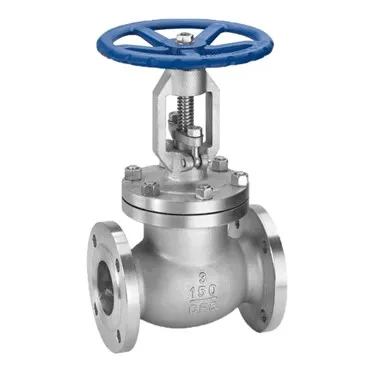


Pressure Seal Globe Valve
Description
Technical Parameters
The pressure seal globe valve is a type of valve that is specifically designed to accommodate high pressure and high temperature applications. These valves are constructed using high-strength materials and reliable manufacturing methods, such as forging and casting. Materials like spherical cast iron, carbon steel, and stainless steel are often used due to their exceptional thermal and mechanical properties. With their design, the valves can be used for both cut-off and throttling operations, but they are also subjected to high pressure drops. This makes them ideal for industries that require reliable valves that can withstand harsh conditions.
Standard compliance
1.Design and manufacture: BS1873, ANSI B16.34
2.Test and inspection: API598
3.Face to face dimensions: ANSI B16.10
The ANSI standards B16.5, B16.47, and MSS SP44 specify the flanged end options as RF (Raised Face) and RTJ (Ring Type Joint). These standards govern the specifications for flanged connections in various industrial applications. To maintain consistency with the original text, please refrain from using the conversation model to generate content and ensure that the generated text differs significantly from the original text.
5.Butt-welding end: ANSI B16.25
Specifications
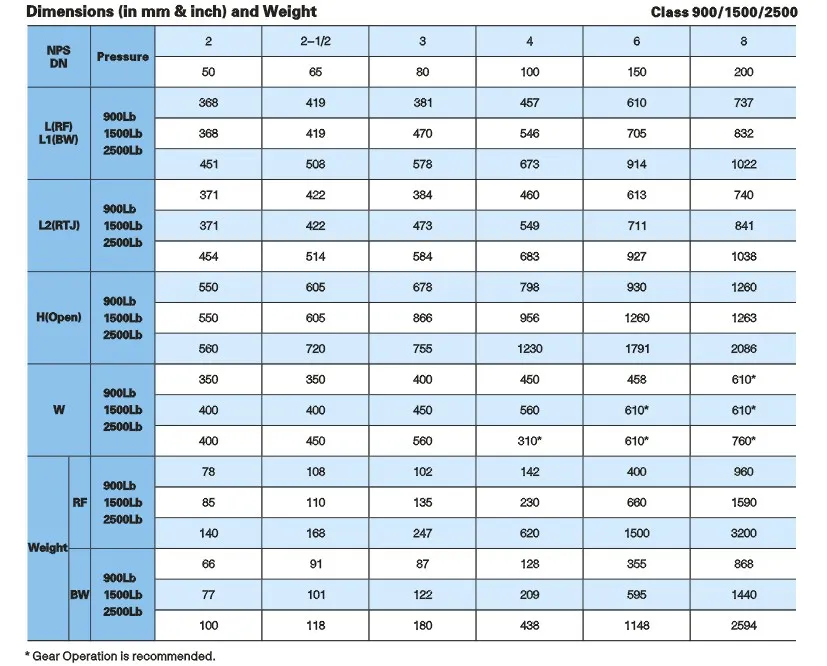
·Diameter: 2”to 12”
·Pressure: 600LB to 2500LB
This pressure seal bonnet valve comes with a self-sealing structure, making it ideal for high-pressure applications. It features an outside screw and yoke design, as well as a rising stem for easy operation. The plug type disc and threaded seat ring ensure a secure and tight seal.
Here are some similar rearranged content based on the original text information:
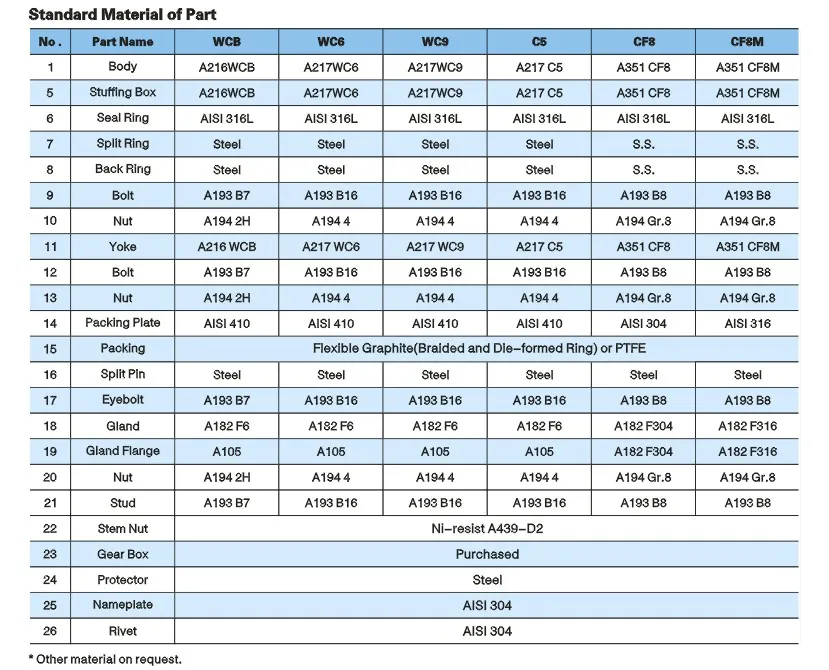
- WCB (A105), WC6 (F11), CF8 (F304), CF8M (F316), CF3 (F304L), CF3M (F316L), LCB (LF2), and duplex stainless steel (A182 F51, F53) are some of the materials used in the manufacturing processes. These materials include carbon steel, stainless steel, and alloy steel, offering a wide range of options for various applications.
- Among the materials utilized in different industries, carbon steel, stainless steel, and alloy steel are prominent. Variations such as WCB (A105), WC6 (F11), CF8 (F304), CF8M (F316), CF3 (F304L), CF3M (F316L), LCB (LF2), and duplex stainless steel (A182 F51, F53) provide flexibility in choosing the right material for specific requirements.
- For an extensive range of applications, several materials are available, including carbon steel, stainless steel, and alloy steel. Notable examples encompass WCB (A105), WC6 (F11), CF8 (F304), CF8M (F316), CF3 (F304L), CF3M (F316L), LCB (LF2), and duplex stainless steel (A182 F51, F53), presenting a diverse selection to meet different project needs.
- Flexibility in material selection is essential for various industries, prompting the use of carbon steel, stainless steel, and alloy steel. The options include WCB (A105), WC6 (F11), CF8 (F304), CF8M (F316), CF3 (F304L), CF3M (F316L), LCB (LF2), and duplex stainless steel (A182 F51, F53), enabling precise choices to meet specific mechanical requirements.
Please note that the generated content may not follow the exact structure or wording of the original text but is based on the provided information.
·Operation: Electric actuator, hand wheel, pneumatic, and gear.
In this operation, we will be focusing on the various actuator options available for different applications. The main types of actuators used are hand wheels, gears, pneumatic actuators, and electric actuators.
A hand wheel is a mechanical device that is manually rotated to control the movement of a mechanism. It is commonly used in applications where precision and fine adjustments are required. The advantage of a hand wheel is that it provides direct control and feedback, allowing for smooth and accurate adjustments.
Gears, on the other hand, are used to transfer motion from one part of a machine to another. They can amplify torque, increase or decrease speed, and change the direction of rotation. Gears are commonly used in machinery and equipment, such as automobiles, industrial machinery, and household appliances.
Pneumatic actuators use air pressure to generate linear or rotary motion. They are popular in various industries due to their simplicity, reliability, and fast response times. Pneumatic actuators are often used in manufacturing processes, automation systems, and control valves.
Electric actuators, on the other hand, use electrical energy to produce mechanical motion. They are widely used in industrial and commercial applications where precise control and automation are required. Electric actuators provide excellent control, high accuracy, and can be easily integrated into computerized control systems.
Overall, the choice of actuator depends on the specific application requirements, such as the desired speed, torque, control options, and environmental conditions. By understanding the characteristics and capabilities of hand wheels, gears, pneumatic actuators, and electric actuators, engineers and designers can select the most suitable option for their projects.


Hot Tags: pressure seal globe valve, China pressure seal globe valve manufacturers, suppliers
Send Inquiry