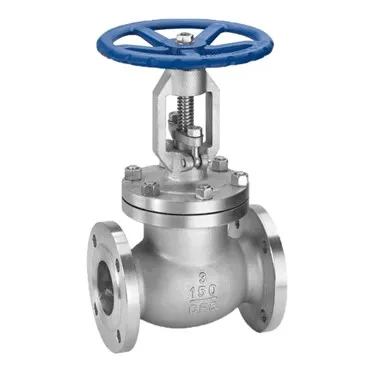


Cast Steel Plug Valve
Description
Technical Parameters
A plug valve is a type of valve that utilizes a plug as its closing part, rotating 90 degrees to either connect or disconnect the through bore from the body, thus controlling the flow. The plug can have either a column or taper shape. This valve is commonly used for cutting off, turning on, and distributing the flow of medium. In some cases, it can also be used for throttling depending on the medium and the erosion resistance of the sealing surfaces. When fully open, the plug valve allows for complete avoidance of contact with the flowing medium due to the friction between the sealing surfaces. This feature makes it suitable for handling media containing suspended grains. Please generate a highly similar version of the text by rearranging the provided information while ensuring that the content remains consistent with the original text. Avoid generating text using the same approach as ChapGPT; instead, employ a completely different style of language generation.
Applications
The plug valves are incredibly prevalent in many industries, including oil field exploitation, transportation, and refinery facilities. These versatile valves are also widely used in other industries such as petrochemicals, chemistry, gas, nature gas, liquefied gas, heating, power generation, and HVAC systems. A particular type of plug valve without lubricant, known as a lined plug valve, is commonly used in the petrochemical and chemistry industries. These valves are specifically designed for non-lubricant mediums and are highly effective in many different applications.
Standard compliance
We specialize in the design and manufacturing of API6D, ANSI B16.34, and API599 products. Our expertise lies in creating highly reliable and efficient solutions that adhere to the standards set by API6D, ANSI B16.34, and API599. By utilizing our advanced manufacturing capabilities, we ensure that our products meet all the necessary requirements and specifications outlined by these industry-leading standards. Trust us to deliver exceptional quality and performance in every API6D, ANSI B16.34, and API599 product we design and manufacture.
2.Test and inspection: API598,API6D
3.Face to face dimensions: ANSI B16.10
4.Fire safe test: API 607
Flanged ends in RF and RTJ are available in sizes ranging from 2” to 24” as per ANSI B16.5 and for sizes from 26” to 36” as per MSS SP-44. This allows for a wide range of options for fitting flanges to pipes, valves, and other equipment in various industries. The use of these flanges ensures a secure connection between the components, making them ideal for high-pressure and high-temperature applications. Regardless of the industry or application, there is a flange type and size that will meet the needs of any project, ensuring a safe and efficient operation.
6.Butt-welding end: ANSI B16.25
7.Socket weld end : ANSI B16.11
8.Screwed end: ANSI B1.20.1
Specifications
·Size: 1/2” to 36”
·Class: 150LB to 2500LB
There are various types of plug valves available in the market. These include lubricated taper plug valves, inverted pressure balance lubricated plug valves, flanged end lifting plug valves, straight through plug valves (both venturi pattern and regular pattern), sleeve type soft sealing plug valves, three-way and four-way plug valves, and orbit plug valves. Some of these valves can also be equipped with a jacket, while others may not have this feature. Each type of plug valve has its own unique characteristics and applications. It is important to choose the right type of valve based on the specific requirements of the system or process.
·Carbon steel, stainless steel, and alloy steel are the primary materials used for manufacturing various products such as valves, fittings, and pipes. These materials include WCB, WCC, WC1, WC6, WC9, C5, C12, CF8, CF8M, CF3, CF3M, CN7M, LCB, LCC, duplex stainless steel, Monel, Alloy 20, and more. These materials offer excellent mechanical properties, corrosion resistance, and strength, making them suitable for a wide range of applications. Whether it's for the oil and gas industry, chemical processing plants, or power generation facilities, these materials provide reliable performance and durability. So, when it comes to choosing the right material for your project, consider the specific requirements and select from this diverse range of carbon steel, stainless steel, and alloy steel options.
Today, we will be discussing the various operations that can be used to power machines and equipment. These operations include the use of levers, gears, pneumatic systems, and electric actuators. Each method has its own unique advantages and disadvantages, and it is important to understand the differences between them in order to choose the best option for your specific application. Levers are simple and easy to use, while gears provide greater power and control. Pneumatic systems use compressed air to create movement, while electric actuators use electricity to produce reliable and consistent results. By understanding the strengths and weaknesses of each operation, you can make an informed decision when selecting the right method to power your machinery and equipment.

Standard materials of parts
|
No. |
Parts |
Materials |
|
1 |
Body |
ASTM A216 WCB |
|
2 |
Sleeve |
PTFE |
|
3 |
Plug |
ASTM A351 CF8 |
|
4 |
Plate |
PTFE |
|
5 |
Adjusting plate |
ASTM A216 WCB |
|
6 |
Cover |
ASTM A216 WCB |
|
7 |
Adjusting bolt |
ASTM A193 B7 |
|
8 |
Nut |
ASTM A194 2H |
|
5 |
Bolt |
ASTM A193 B7 |
|
6 |
Support |
|
|
7 |
Worm Gear |
|
Dimensions (in mm & inch) and weights
Class 150
|
Size (inch) |
1/2 |
3/4 |
1 |
1.1/2 |
2 |
2.1/2 |
3 |
4 |
6 |
8 |
10 |
12 |
14 |
16 |
|
L (NPT) |
115 |
115 |
119 |
150 |
165 |
195 |
254 |
292 |
--- |
--- |
--- |
--- |
--- |
--- |
|
L (RF) |
108 |
117 |
127 |
165 |
178 |
191 |
203 |
229 |
268 |
292 |
330 |
356 |
381 |
406 |
|
L (RTJ) |
108 |
117 |
140 |
178 |
191 |
204 |
216 |
242 |
281 |
305 |
343 |
369 |
394 |
419 |
|
L (BW) |
140 |
149 |
172 |
241 |
267 |
305 |
330 |
356 |
457 |
521 |
559 |
635 |
762 |
838 |
|
H |
89 |
89 |
114 |
112 |
228 |
251 |
276 |
276 |
318 |
381 |
444 |
584 |
622 |
622 |
|
D |
92 |
102 |
108 |
127 |
152 |
178 |
190 |
229 |
279 |
343 |
406 |
483 |
533 |
597 |
Class 300
|
Size (inch) |
1/2 |
3/4 |
1 |
1.1/2 |
2 |
2.1/2 |
3 |
4 |
6 |
8 |
10 |
12 |
14 |
16 |
18 |
|
L (NPT) |
102 |
102 |
119 |
155 |
185 |
250 |
270 |
330 |
--- |
--- |
--- |
--- |
--- |
--- |
--- |
|
L (RF) |
140 |
152 |
165 |
191 |
216 |
241 |
283 |
305 |
403 |
419 |
457 |
502 |
762 |
838 |
914 |
|
L (RTJ) |
151 |
165 |
178 |
204 |
232 |
257 |
299 |
321 |
419 |
435 |
473 |
518 |
778 |
854 |
930 |
|
L (BW) |
140 |
149 |
172 |
241 |
267 |
305 |
330 |
356 |
457 |
521 |
559 |
635 |
762 |
838 |
914 |
|
H |
89 |
89 |
114 |
112 |
228 |
251 |
276 |
276 |
318 |
381 |
444 |
584 |
622 |
622 |
670 |
|
D |
95 |
117 |
124 |
156 |
165 |
190 |
210 |
254 |
318 |
381 |
345 |
521 |
584 |
648 |
711 |
Class 600
|
Size (inch) |
1/2 |
3/4 |
1 |
1.1/2 |
2 |
2.1/2 |
3 |
4 |
|
L (NPT) |
116 |
116 |
149 |
175 |
190 |
210 |
284 |
326 |
|
L (RF) |
165 |
190 |
216 |
241 |
292 |
330 |
356 |
432 |
|
L (RTJ) |
163 |
190 |
216 |
241 |
395 |
333 |
359 |
435 |
|
L (BW |
165 |
191 |
216 |
241 |
292 |
330 |
356 |
432 |
|
H |
159 |
159 |
174 |
194 |
228 |
251 |
276 |
276 |
|
D |
95 |
118 |
124 |
156 |
165 |
190 |
210 |
273 |
Hot Tags: cast steel plug valve, China cast steel plug valve manufacturers, suppliers
Previous
Cast Steel Butterfly ValveSend Inquiry