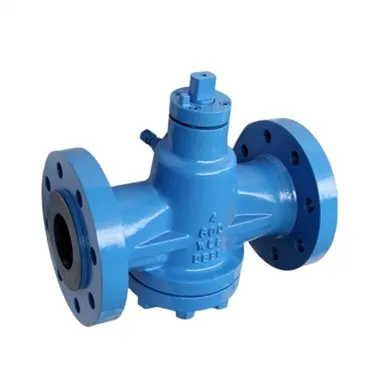


Cast Steel Butterfly Valve
Description
Technical Parameters
A butterfly valve is a simple yet efficient shut-off valve. Its construction is uncomplicated, with a disc that impedes the valve bore in the closed position and allows flow when turned in open position. This type of valve can be quickly opened or closed with just a quarter turn, making it an ideal choice for various applications. The valve's distinctive name comes from the way it functions, with a disc rotating around an axis much like a butterfly's fluttering wings.
Centric butterfly valves and eccentric butterfly valves are two types of valves commonly used in various industries. The main difference lies in the positioning of the stem and disc. In a centric butterfly valve, the stem is placed in the center of the disc, and the disc is centered in the bore. On the other hand, an eccentric butterfly valve features one or more shafts that are positioned offset from the center.
These eccentric valves can be further categorized into double offset and triple offset valves. The term "offset" refers to the displacement of the shaft(s) from the valve's central axis. In a double offset valve, the shaft is offset from the centerline of the disc, providing additional sealing capabilities. This design allows for a tighter seal and minimizes wear on the valve seat.
Triple offset valves take the offset design a step further. They feature a disc that is not only offset from the shaft but also fits into a conical seat. This unique arrangement offers improved sealing performance and minimizes friction during operation. Triple offset valves are commonly used in applications where tight shut-off is crucial, such as in the oil and gas industry.
In summary, centric butterfly valves have a centered stem and disc, while eccentric butterfly valves have their shafts offset from the center. The different types of eccentric valves, such as double offset and triple offset, provide enhanced sealing capabilities for various industrial applications.
Applications
A wide variety of industries rely on butterfly valves for their diverse applications. These versatile valves find their usage in water supply, wastewater treatment, fire protection, gas supply, chemical and oil industries, fuel handling systems, power generation, and more. Their adaptability makes them an indispensable component in different sectors, ensuring efficient operation and control. Industries depend on butterfly valves for their reliability and effectiveness, enabling smooth processes and enhancing overall productivity.
Standard compliance
1.Design and manufacture: API609, ANSI B16.34
2.Test and inspection: API598
3.Face to face dimensions: API609, ANSI B16.10
The various installation standards for flanges include ANSI B16.5, MSS SP 44, B16.47 SERIES A & SERIES B, DIN, BS, JIS, and others. These standards provide guidance on the proper installation between flanges. It is important to adhere to these standards to ensure a secure and stable connection between the flanges. By following these guidelines, the risk of leakage or other issues can be minimized, ensuring optimal performance of the flange system. Whether working with ANSI B16.5, MSS SP 44, B16.47 SERIES A & SERIES B, DIN, BS, JIS, or any other standard, it is essential to use the appropriate tools and techniques to achieve a reliable and durable installation.
Specifications
·Size: 1-1/2” to 72”
·Class: 150LB to 600LB
We offer a variety of butterfly valves to meet your specific requirements, including wafer type, lug type, and flanged type. Our valves come in centric, double eccentric, or triple offset configurations, with metal or soft seating options available.
We also offer high performance butterfly valves that are designed to operate at higher pressures and temperatures, making them ideal for demanding applications. Whether you need a valve for a commercial or industrial project, we have the expertise and experience to deliver the right product for your needs.
·Carbon steel, stainless steel, alloy steel, duplex stainless steel, cast iron, and ductile iron are some of the materials used in various industries. They offer different properties and characteristics that cater to specific requirements. For example, carbon steel is known for its exceptional strength and durability, making it suitable for structural applications. On the other hand, stainless steel provides excellent resistance to corrosion and high temperatures, making it a popular choice for cookware and medical equipment. Alloy steel combines different elements to enhance its strength and performance, while duplex stainless steel offers a balance between corrosion resistance and strength. Cast iron and ductile iron, with their excellent heat retention and wear resistance, can be found in heavy-duty machinery and automotive components. These materials play a crucial role in manufacturing and construction, providing the necessary strength and reliability for various applications.
In today's discussion, we will be focusing on different types of actuators used in various industrial operations. These actuators include lever, gear, pneumatic, and electric actuators.
Firstly, let's talk about lever actuators. Lever actuators are mechanical devices that use a lever to transmit and amplify force. They are commonly used in applications where a small force needs to be applied to move a larger load. Lever actuators are simple in design and easy to operate, making them a popular choice in many industries.
Moving on to gear actuators, these are mechanisms that use gears to convert rotational motion into linear motion. They are efficient and capable of providing high output force, making them suitable for heavy-duty applications. Gear actuators are commonly employed in industries such as automotive, aerospace, and manufacturing.
Next, we have pneumatic actuators which use compressed air to create mechanical motion. These actuators are known for their fast response time and high force generation capabilities. They are widely used in industries where rapid and precise movement is required, such as in automation systems and robotics.
Lastly, electric actuators are devices that convert electrical energy into mechanical motion. They are versatile and offer precise control over movement, making them ideal for applications that require accuracy and repeatability. Electric actuators are commonly found in industries such as medical, packaging, and food processing.
To summarize, lever, gear, pneumatic, and electric actuators are important components in various industrial operations. Each type has its own unique features and advantages, catering to different application requirements.
Butterfly valve’s design features
The valves have a compact design and are characterized by their small size and lightweight nature, making them easy to install. They come in various body connection types, such as wafer type, lug type, and flanged, depending on your preferences.
Different working conditions call for different types of sealing materials, which can come in the form of soft or metal materials placed on either a body or disc. The main goal is always to achieve a tight seal that lasts a long time, ensuring optimal performance.
A fireproof butterfly valve has the ability to prevent the spread of fire. In the event that the sealing seat of the butterfly valve becomes ignited, the stainless steel sealing ring will automatically activate, immediately sealing the valve to prevent any further spread of fire.
When the butterfly valve is completely open, it experiences minimal flow resistance. However, when the valve is partially open, it can provide precise flow control.
With their low operation torque, these devices are incredibly simple and speedy to operate.

Standard materials of parts
|
Parts |
Materials |
|
Body |
ASTM A216 WCB |
|
Butterfly plate |
ASTM A216 WCB, A351 CF8 |
|
Seat ring |
PTFE or stainless steel with graphite |
|
Axis |
ASTM A182 F6 |
|
Gland |
A182 F6 |
|
Gland flange |
ASTM A216 WCB |
|
York |
ASTM A216 WCB |
|
Bolt |
ASTM A193 B7 |
|
Backseat bushing |
ASTM A182 F6a |
|
Pin |
Carbon steel or stainless steel |
|
Sealing face overlay |
Soft face(PTFE), hard face |
Dimensions (in mm & inch) and weights

Hot Tags: cast steel butterfly valve, China cast steel butterfly valve manufacturers, suppliers
Send Inquiry